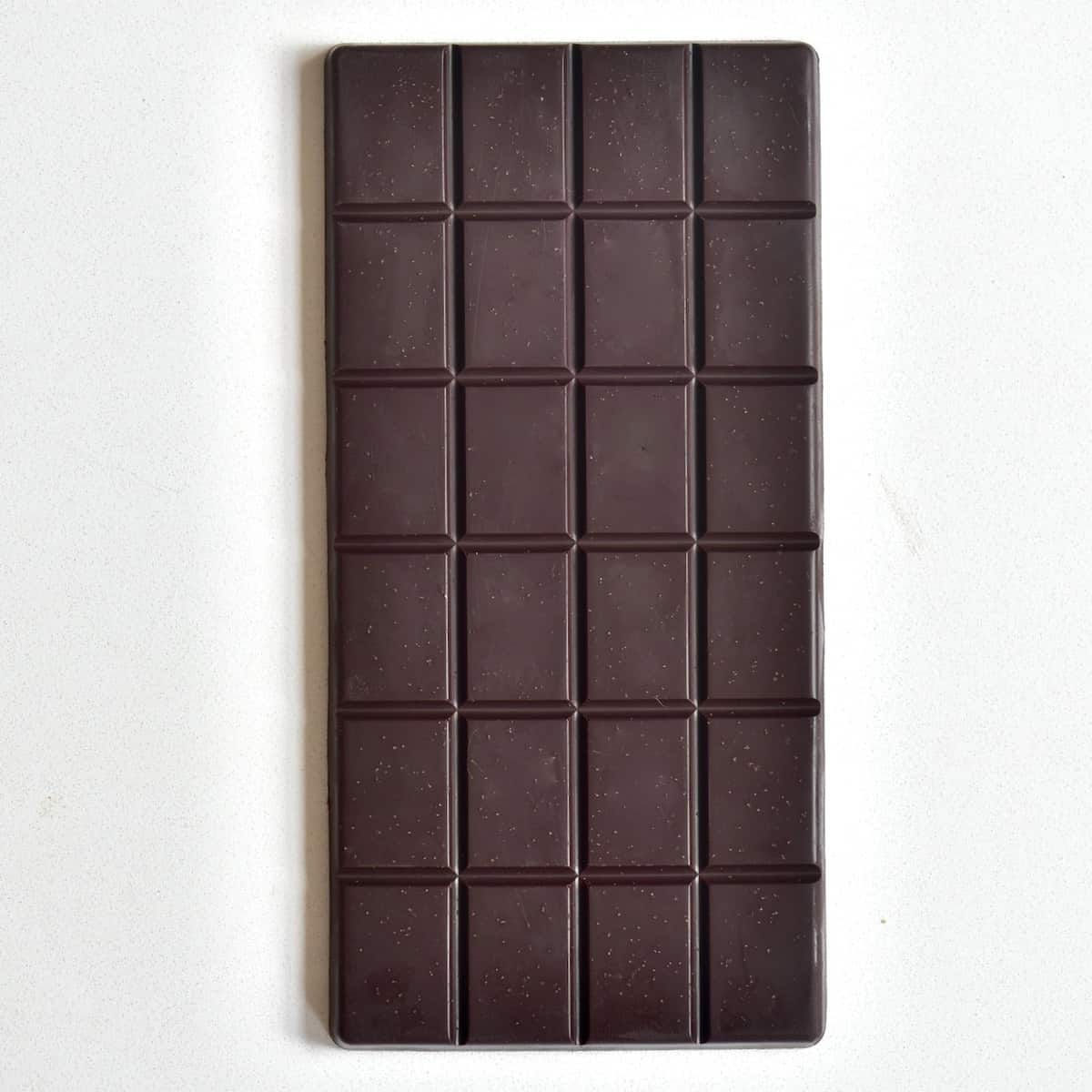
Unlock the Secrets to Easy Sugar-Free Dark Chocolate: A 2-Ingredient Vegan Delight
Craving the rich, complex flavors of dark chocolate without the guilt of added sugars or unhealthy additives? Imagine whipping up your own batch of deeply satisfying, vegan, and sugar-free dark chocolate right in your kitchen with just two core ingredients. This isn't a dream; it's a simple, empowering reality that puts you in control of every delicious bite. Forget the lengthy, bean-to-bar processes; we're talking about a shortcut to luscious, healthy dark chocolate that's incredibly easy to make and infinitely customizable.
This comprehensive guide will show you how to make healthy dark chocolate that's not only sugar-free and vegan but also incredibly versatile. Whether you prefer a robust bitterness or a hint of sweetness, this recipe is your canvas for creating the perfect wholesome treat. It’s perfect for those seeking a healthier lifestyle, managing dietary restrictions, or simply enjoying the unparalleled taste of homemade goodness. Get ready to transform simple ingredients into a gourmet experience!
Why Make Your Own Healthy Dark Chocolate? The Benefits Beyond Taste
In a world saturated with highly processed foods, taking control of what goes into your body is a powerful act. Store-bought dark chocolate, while often marketed as healthy, can still contain hidden sugars, unhealthy fats, and artificial ingredients that detract from its natural goodness. Learning how to make healthy dark chocolate at home offers a multitude of benefits:
- Uncompromised Health: By choosing raw cacao butter and cacao powder, you're leveraging the full antioxidant power of the cacao bean. Cacao is a superfood packed with flavonoids, magnesium, and other beneficial compounds that can support heart health, improve mood, and provide sustained energy.
- Sugar-Free Control: This recipe is naturally sugar-free, giving you the freedom to add only the sweeteners you prefer, or none at all. Say goodbye to refined sugars, high-fructose corn syrup, and artificial sweeteners often found in commercial brands. You can opt for natural, zero-calorie options like monk fruit or erythritol, or a touch of low-glycemic coconut sugar.
- Dietary Inclusivity: Naturally vegan and dairy-free, this recipe is suitable for a wide range of dietary needs, including those with lactose intolerance, dairy allergies, or following plant-based diets. It's also gluten-free by nature.
- Pure Ingredients: You know exactly what’s in your chocolate. No emulsifiers, artificial flavors, or questionable preservatives. Just pure, wholesome goodness.
- Economic & Fun: Making your own chocolate can be more cost-effective in the long run, especially when buying ingredients in bulk. It's also a wonderfully satisfying and quick 10-minute activity that even kids can help with, fostering healthy eating habits from a young age.
- Customization Galore: This recipe is a fantastic starting point for endless variations. From adding a pinch of sea salt to stirring in nuts, seeds, dried fruits, or spices, the possibilities for flavor innovation are limitless.
The 2-Ingredient Magic: What You'll Need to Craft Your Healthy Dark Chocolate
The beauty of this recipe lies in its simplicity. While we primarily focus on two core ingredients, a few optional additions and essential tools will ensure your homemade healthy dark chocolate turns out perfectly every time.
Core Ingredients:
- Cacao Butter (or Cocoa Butter): This is the fat extracted from the cacao bean, providing that rich, melt-in-your-mouth texture synonymous with chocolate. Ensure you use *food-grade* cacao butter, which is readily available online and in health food stores. Its healthy fats are great for your skin and metabolism.
- Cacao Powder (or Cocoa Powder): The star of the show, providing the chocolatey flavor and color. Cacao powder is typically raw and less processed than cocoa powder, retaining more nutrients. However, good quality unsweetened cocoa powder works wonderfully too. Sifting it is key to a smooth consistency.
Optional Flavor Enhancers & Sweeteners:
- Pinch of Salt: A small amount of salt can dramatically enhance the depth of flavor in chocolate, balancing bitterness and bringing out the cacao's nuances.
- Sweetener of Choice: If you find the pure bitterness too intense, you can easily sweeten your chocolate. Opt for powdered sugar alternatives like monk fruit powder, powdered erythritol, or finely ground coconut sugar. A crucial tip: Avoid liquid sweeteners like maple syrup or agave, as they can cause the chocolate to seize and become grainy. If you only have granulated sugar, a quick blitz in a blender can turn it into powdered sugar.
- Vanilla Extract: A tiny splash of pure vanilla extract (ensure it's alcohol-based, not water-based, to prevent seizing) can add a beautiful aroma and round out the flavors.
Essential Tools:
- Double Boiler: This is the safest and most effective method for melting cacao butter gently and evenly, preventing it from scorching. You can easily set one up with a heat-proof bowl placed over a saucepan with simmering water, ensuring the bowl's bottom doesn't touch the water.
- Silicone Chocolate Mold: Flexible silicone molds are a game-changer for homemade chocolate, allowing for easy release without the need for tempering. Whether you want classic bars or adorable chocolate chips, silicone is your friend.
- Silicone Spatula: Unlike wooden utensils, silicone spatulas are non-porous, eliminating the risk of water contamination, which can cause your chocolate to seize.
- Small Whisk: For thoroughly combining ingredients.
While cacao butter provides the traditional chocolate texture, some recipes explore alternatives like coconut oil for an even quicker, healthier option. Coconut oil also hardens like cocoa butter and brings its own set of nutritional benefits, though it will result in chocolate that melts faster at room temperature.
Step-by-Step Guide: Crafting Your Easy Sugar-Free Dark Chocolate
Making your own healthy dark chocolate is surprisingly straightforward. Follow these steps for a perfect batch:
Step 1: Prepare Your Double Boiler & Melt the Cacao Butter
- Set up your double boiler: Fill a medium saucepan with a few inches of water and place a slightly larger heat-proof bowl on top, ensuring the bottom of the bowl does not touch the water.
- Bring the water to a gentle simmer over medium-low heat.
- If your cacao butter is in a large block, chop it into small, even pieces. This promotes faster and more uniform melting, reducing the chance of scorching.
- Add the chopped cacao butter to the heat-proof bowl. Stir gently but frequently with your silicone spatula or whisk until the cacao butter is completely melted and smooth. Keep the heat low to avoid overheating.
Step 2: Incorporate Cacao Powder and Optional Add-ins
- Once the cacao butter is fully melted, remove the bowl from the double boiler (keeping the water simmering if you need to keep the chocolate warm for pouring).
- Sift the cacao powder into the melted cacao butter. Sifting is crucial to prevent lumps and ensure a super smooth chocolate.
- Add a pinch of salt. If using, now is the time to add your chosen powdered sweetener (monk fruit, erythritol, coconut sugar), and a tiny splash of pure vanilla extract.
- Whisk or stir vigorously until all ingredients are thoroughly combined and the mixture is silky smooth and uniform in color. Ensure there are no powdery streaks left.
Step 3: Pour and Chill
- Carefully pour the liquid chocolate into your silicone molds. For a clean finish, tap the molds gently on your counter a few times to release any trapped air bubbles.
- If you're adding any inclusions like chopped nuts, seeds, or dried fruit, gently sprinkle them into the molds now before the chocolate sets.
- Place the molds in the refrigerator or freezer for about 20-30 minutes, or until the chocolate is firm and easily releases from the molds.
Customization & Serving Suggestions for Your Homemade Dark Chocolate
The true beauty of learning how to make healthy dark chocolate at home is the ability to customize it to your exact preferences. Here are some ideas:
- Adjusting Bitterness: Start with no sweetener if you love intense dark chocolate. If it's too bitter for your palate, gradually add a small amount of powdered sweetener to the melted chocolate mixture, tasting as you go, until you reach your desired sweetness level.
- Flavor Infusions: Experiment with spices like cinnamon, cardamom, a dash of cayenne pepper for a spicy kick, or even a tiny amount of peppermint oil (food-grade). Zest from an orange or lemon can also provide a delightful aroma.
- Crunchy & Chewy Add-ins: Once the chocolate mixture is ready but before pouring into molds, stir in your favorite additions. Think chopped almonds, walnuts, pecans, shredded coconut, cacao nibs, dried cranberries, or raisins. Remember to chop larger items finely to ensure even distribution.
- Texture Play: For a slightly softer, quicker-melting chocolate, you can experiment with replacing a small portion of the cacao butter with coconut oil.
Store your homemade dark chocolate in an airtight container in a cool, dark place or in the refrigerator. It can last for several weeks, though it's so delicious, it rarely lasts that long!
Conclusion: Your Journey to Healthy, Homemade Dark Chocolate Begins Now
You've now uncovered the simple secret to how to make healthy dark chocolate that's sugar-free, vegan, and packed with wholesome goodness. This 2-ingredient recipe is a game-changer for anyone looking to enjoy a rich, satisfying treat without compromise. By taking control of your ingredients, you not only create a healthier alternative but also open up a world of culinary creativity. So, gather your cacao butter and powder, set up your double boiler, and prepare to indulge in the unparalleled delight of homemade, guilt-free dark chocolate. Happy chocolate making!
